
After months of preparation, fundraising, team training, and the inevitable stress of airport layovers, the MedyArte team has safely returned home from its third successful medical project in the Nar-Phu Valley of the Himalayas.
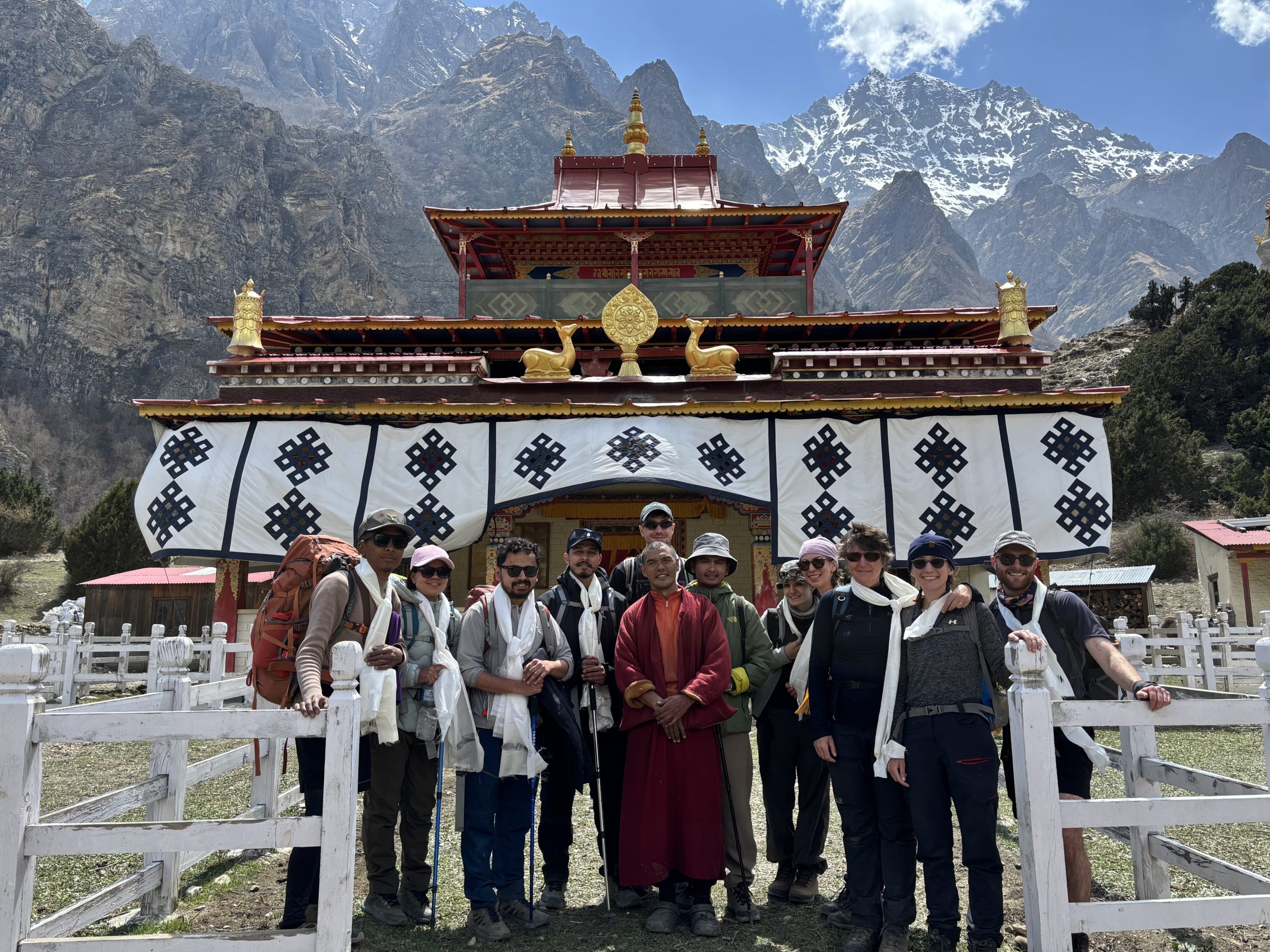
Building on the charity’s previous visits to the region in 2019 and 2022, this year’s expedition was our most ambitious yet. With a team of six UK volunteers, including three doctors, alongside five Nepalese healthcare assistants and one Nepalese doctor, we delivered five medical clinics to more than 400 patients in just ten days.
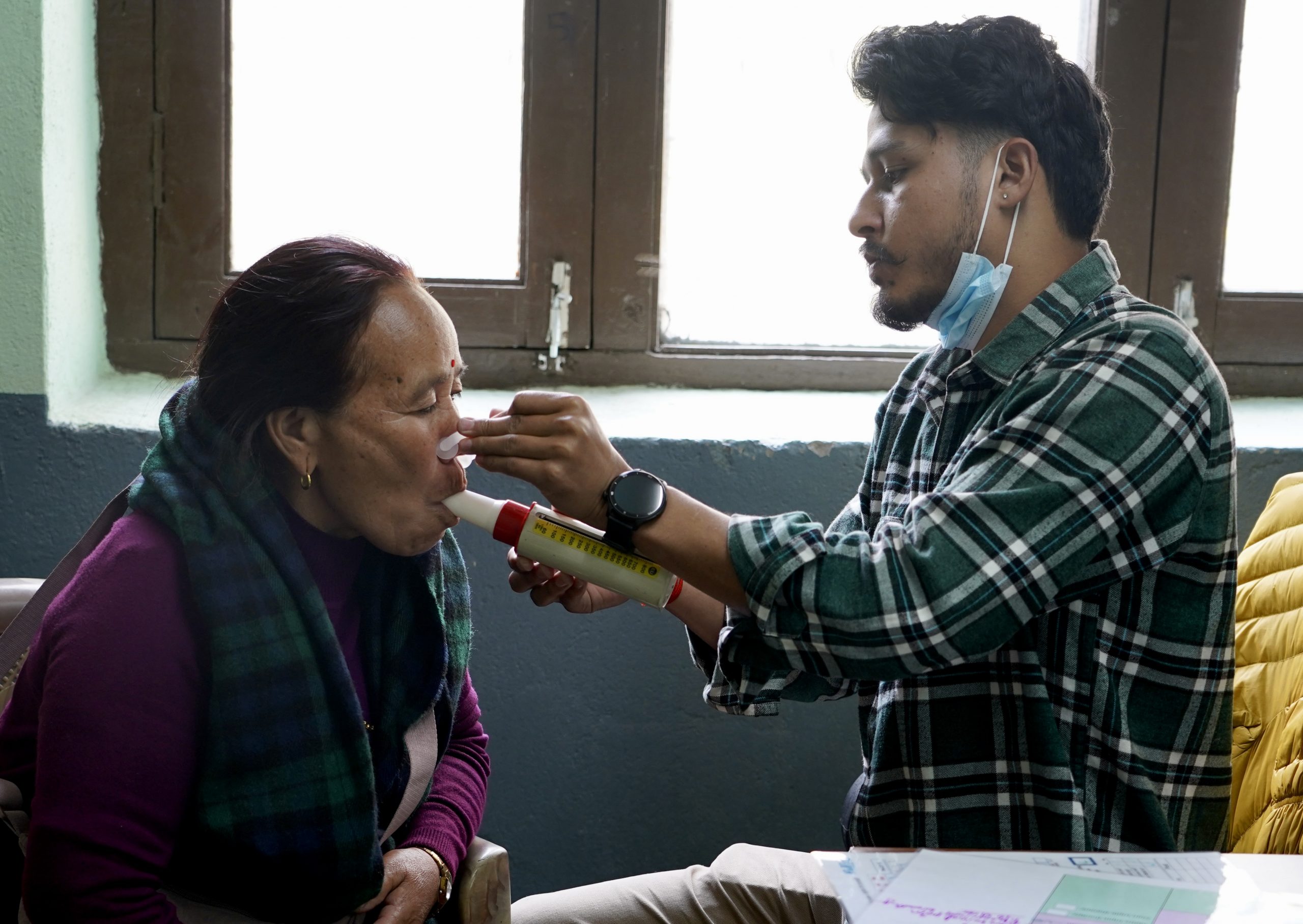
This year, we also expanded the project’s original focus beyond the testing and treatment of Helicobacter pylori (H. pylori), a stomach bacteria linked to serious gastrointestinal illness. For the first time, we introduced respiratory screening for diseases such as COPD, a chronic lung condition caused in part by prolonged exposure to smoke from indoor cooking fires.
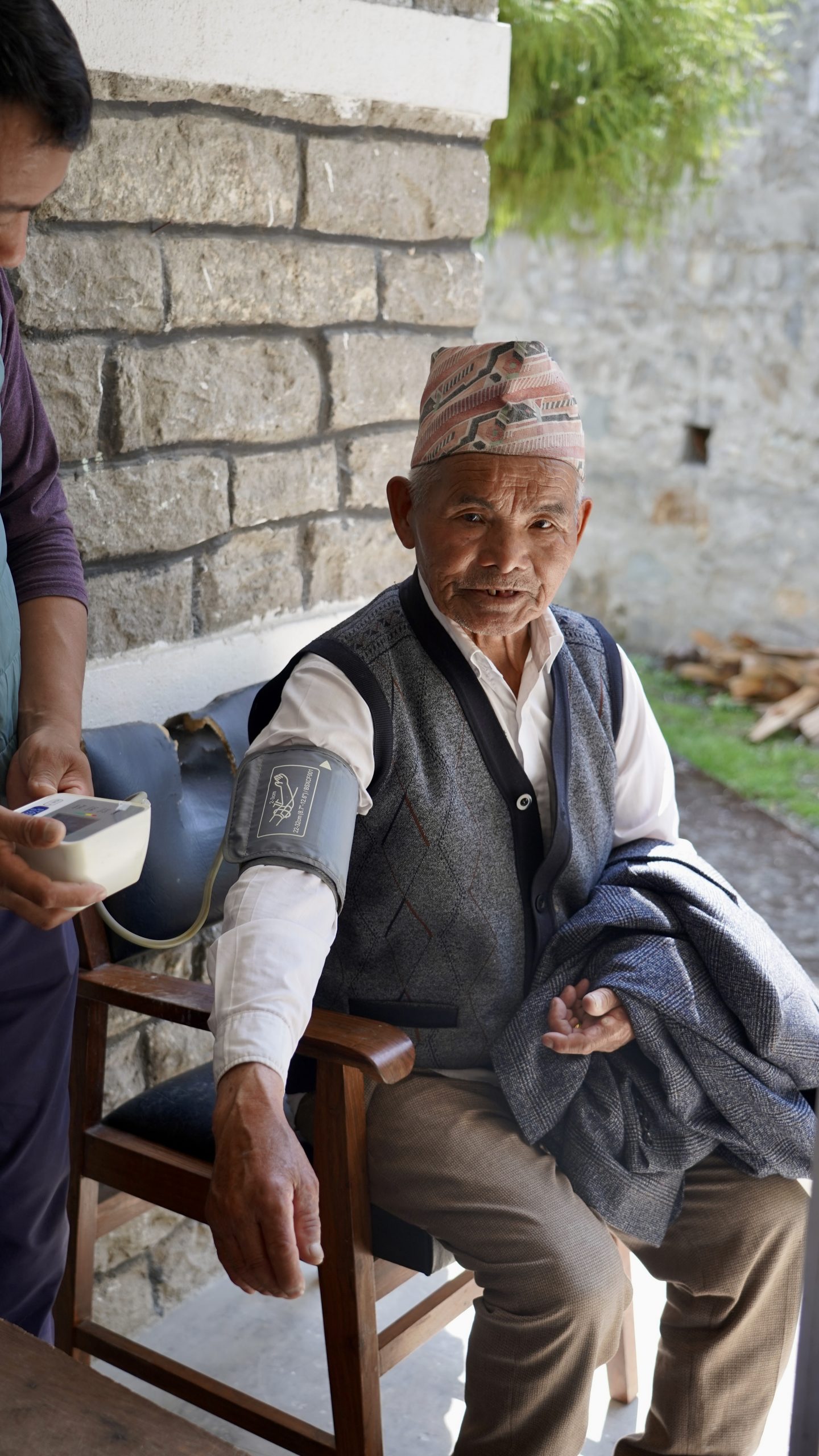
Before arriving in Nepal, it was difficult to fully grasp just how life-changing this project might be. That reality became clear when the first patient stepped through the door of our clinic in Nason Village (2,300m), dressed in traditional clothing and wearing a Dhaka Topi. In that moment, it became clear that we were there to make a meaningful and lasting impact on the lives of people in the region.
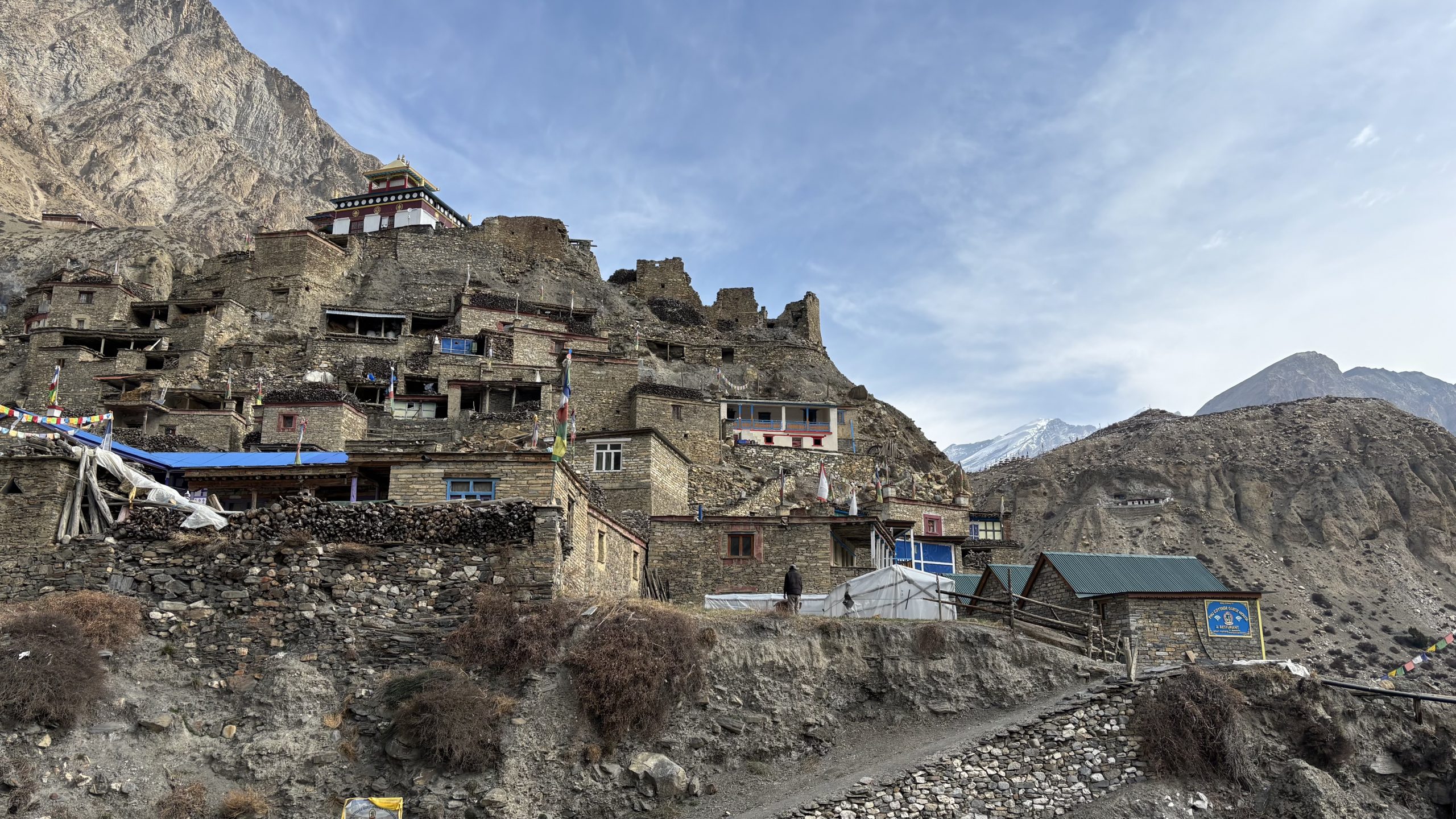
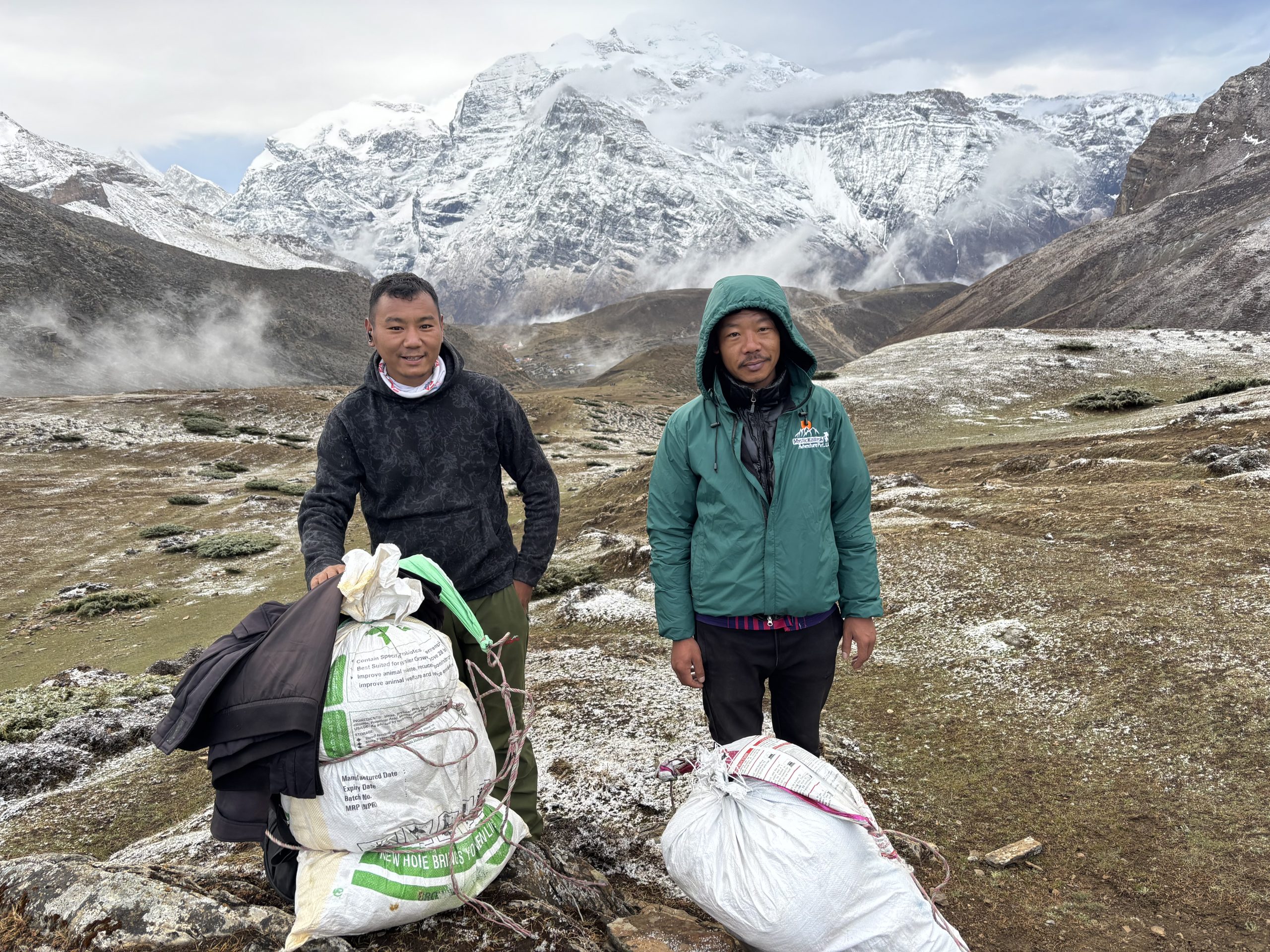
Over the following days, we trekked more than 100 kilometres across challenging Himalayan terrain, delivering five medical camps along the way, including in Nepal’s highest village, Nar, at 4,230 metres. With no road access, every piece of equipment and every box of medical supplies had to be carried by our team and two porters.
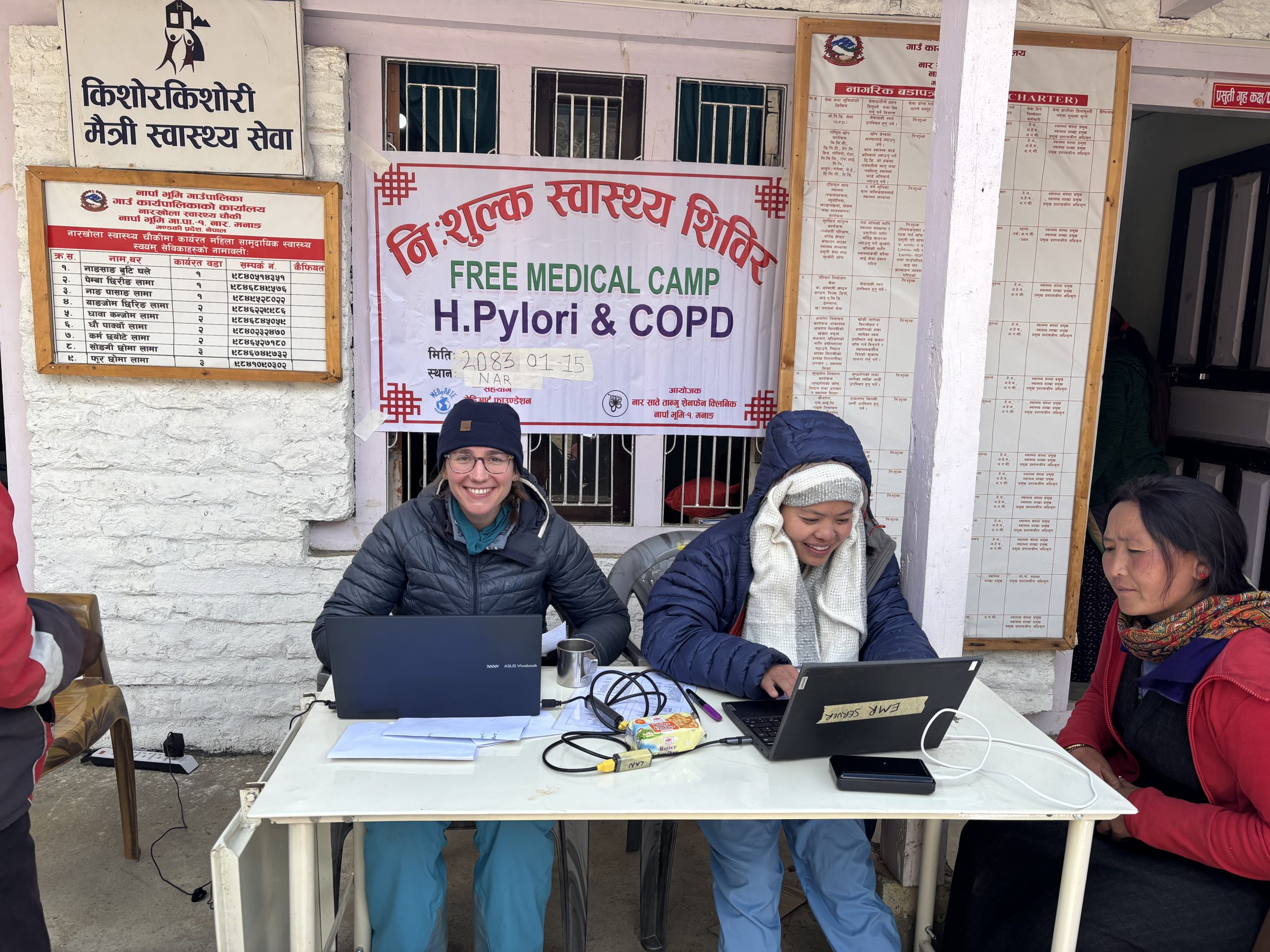
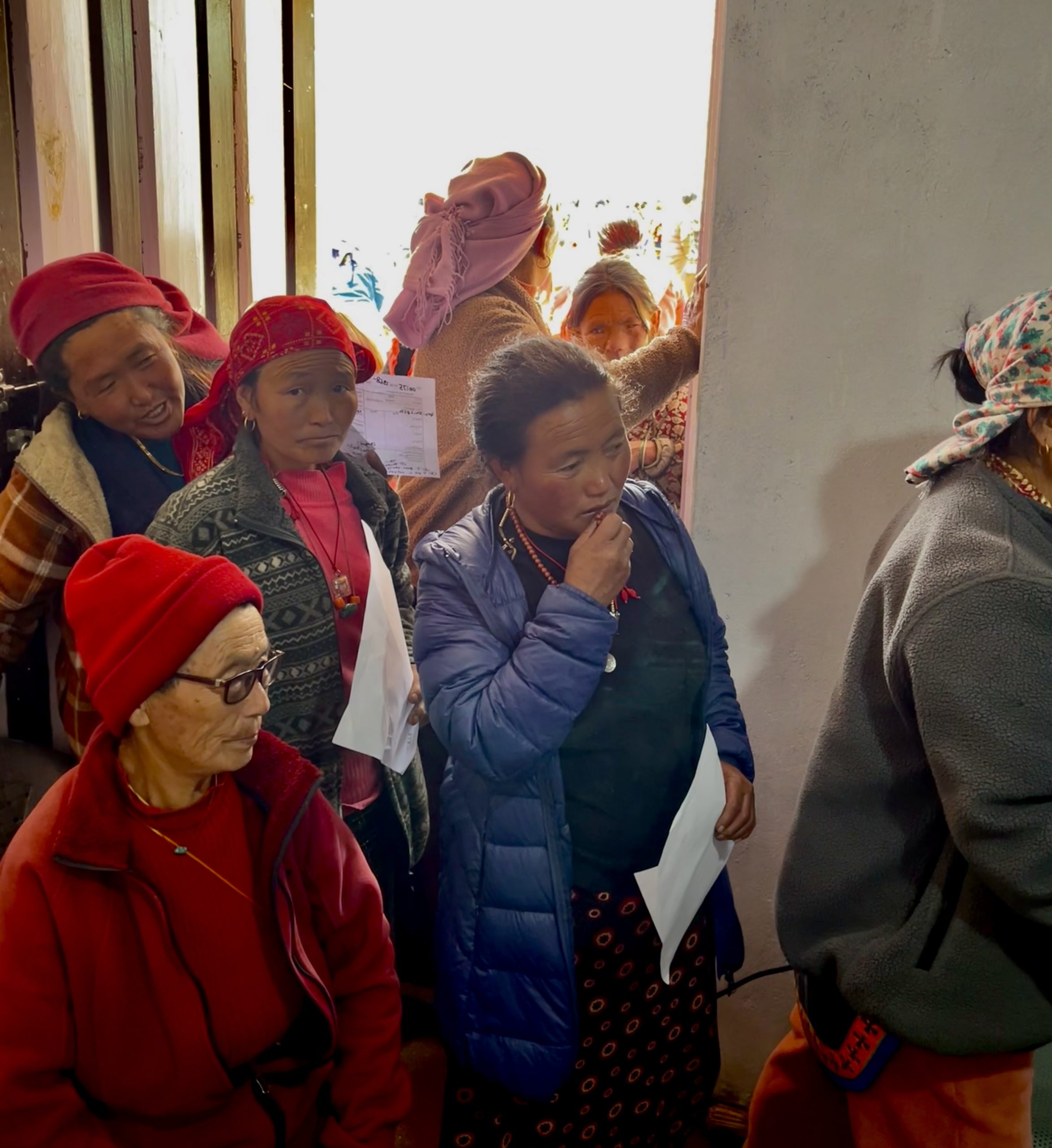
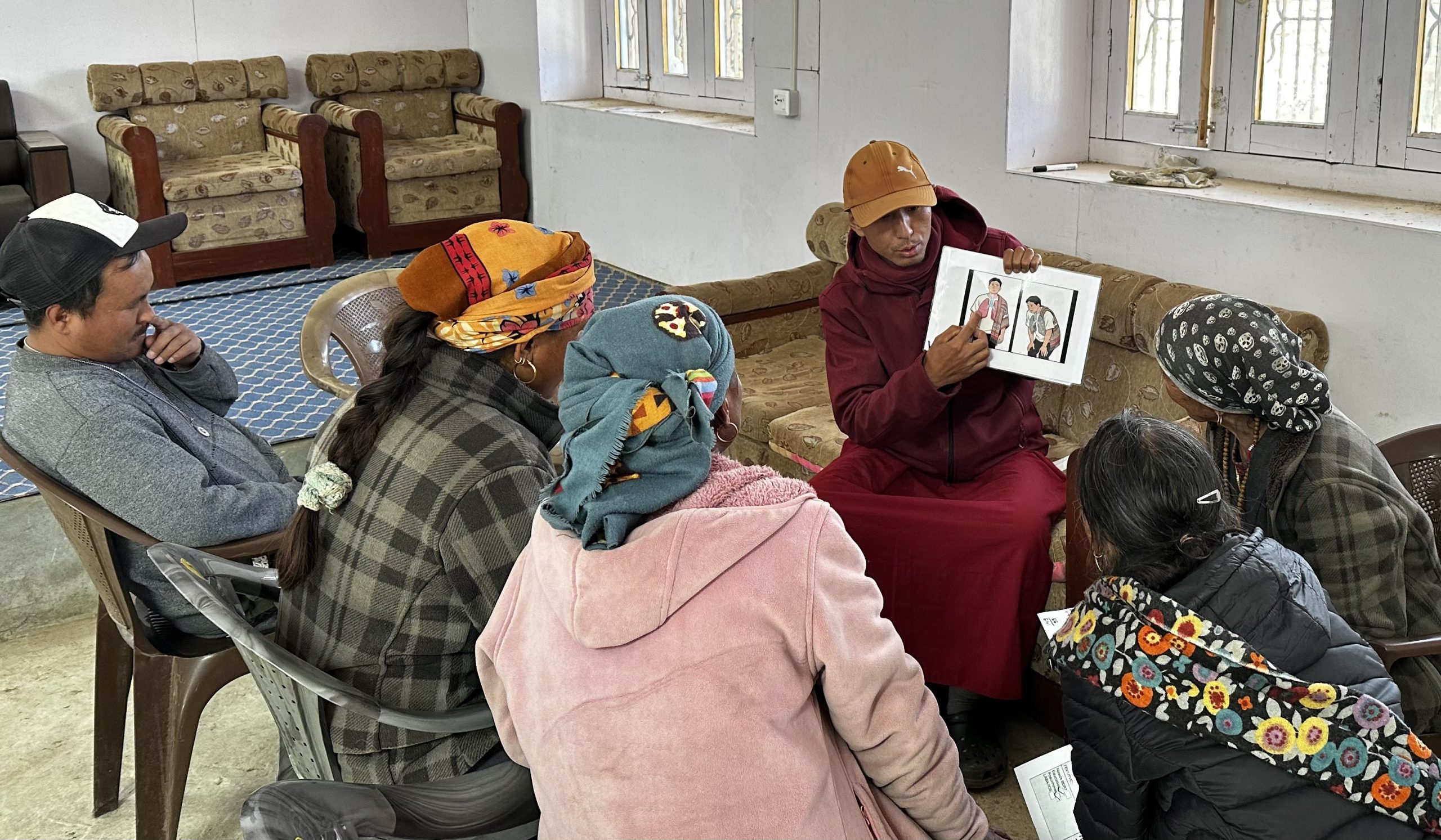
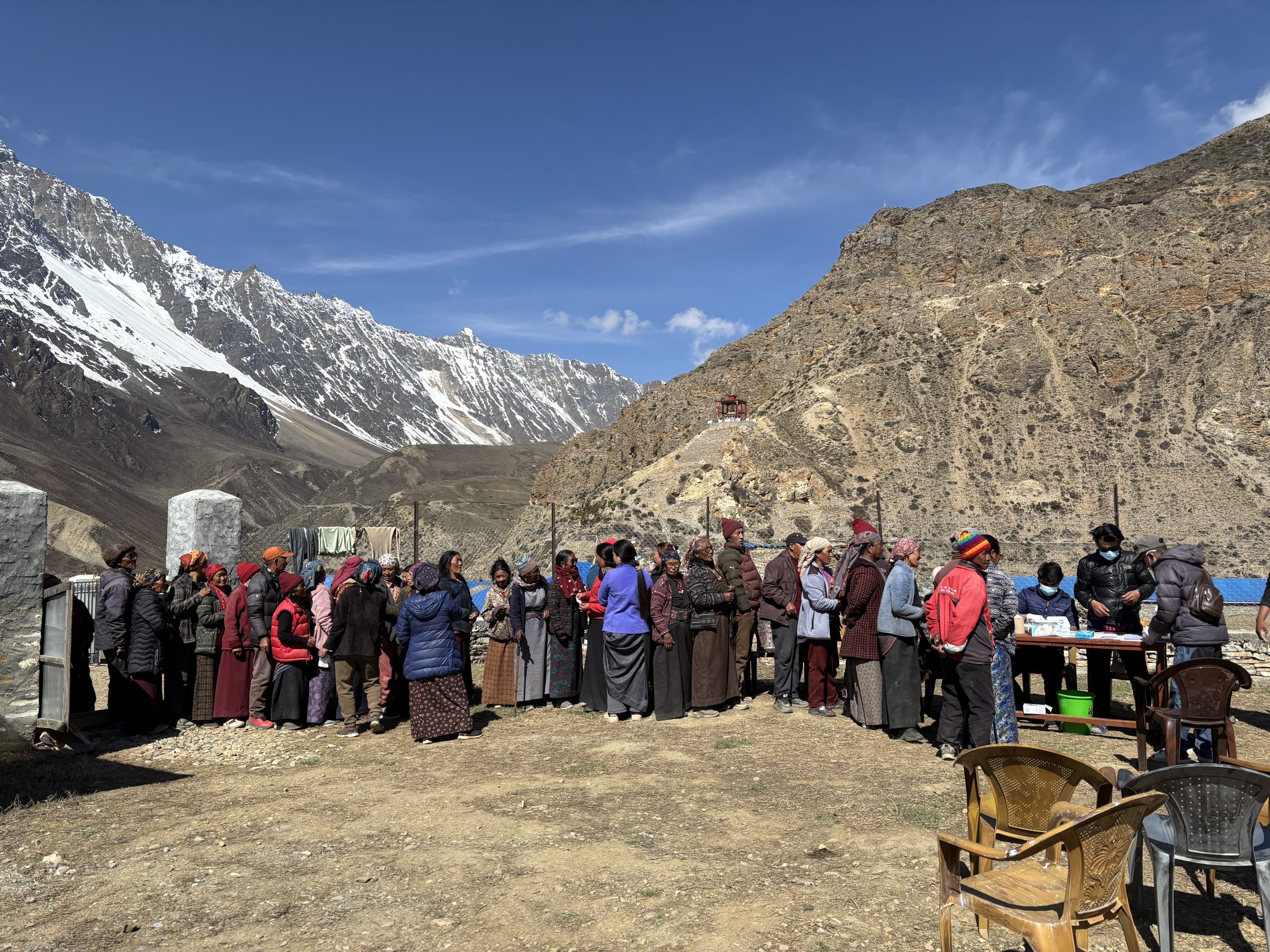
Each clinic was a whirlwind of activity. Patients queued outside from early morning, the team moved constantly between consultation stations, and translators worked tirelessly to bridge linguistic and cultural barriers. Despite the intensity, the clinics ran with remarkable efficiency thanks to the dedication of the team and Dr Michael Trubshaw’s expertly designed patient data system, which enabled us to record results, treatments, and prescriptions accurately and systematically.
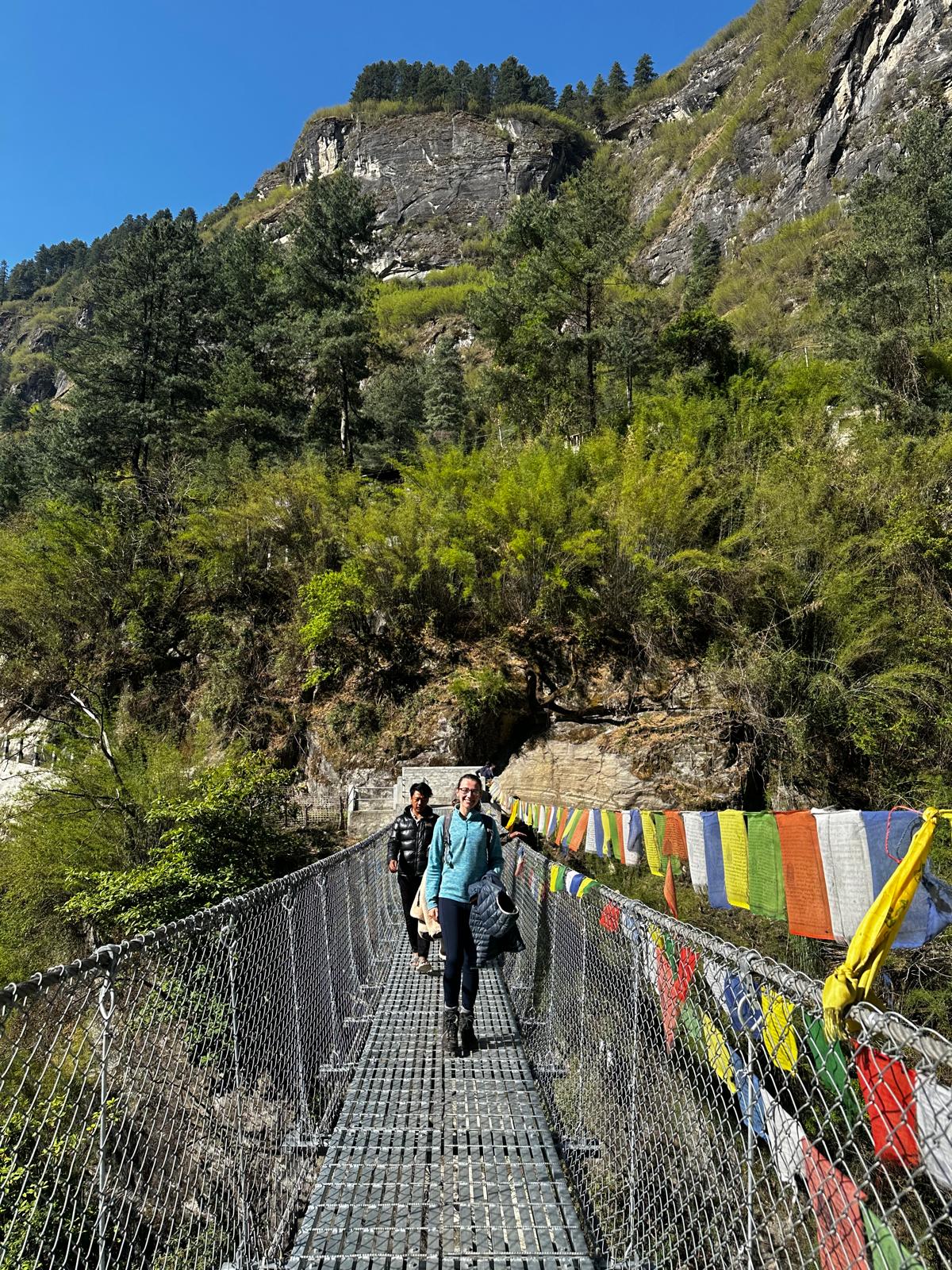
The expedition itself was also unforgettable. In the lower valleys, we meandered through alpine forests lining the riverbanks. Along the route, we crossed suspension bridges draped with prayer flags and suspended high above the valleys below. As we climbed higher, barren trails replaced the greenery, snow-covered peaks came into view, and the air grew noticeably thinner.
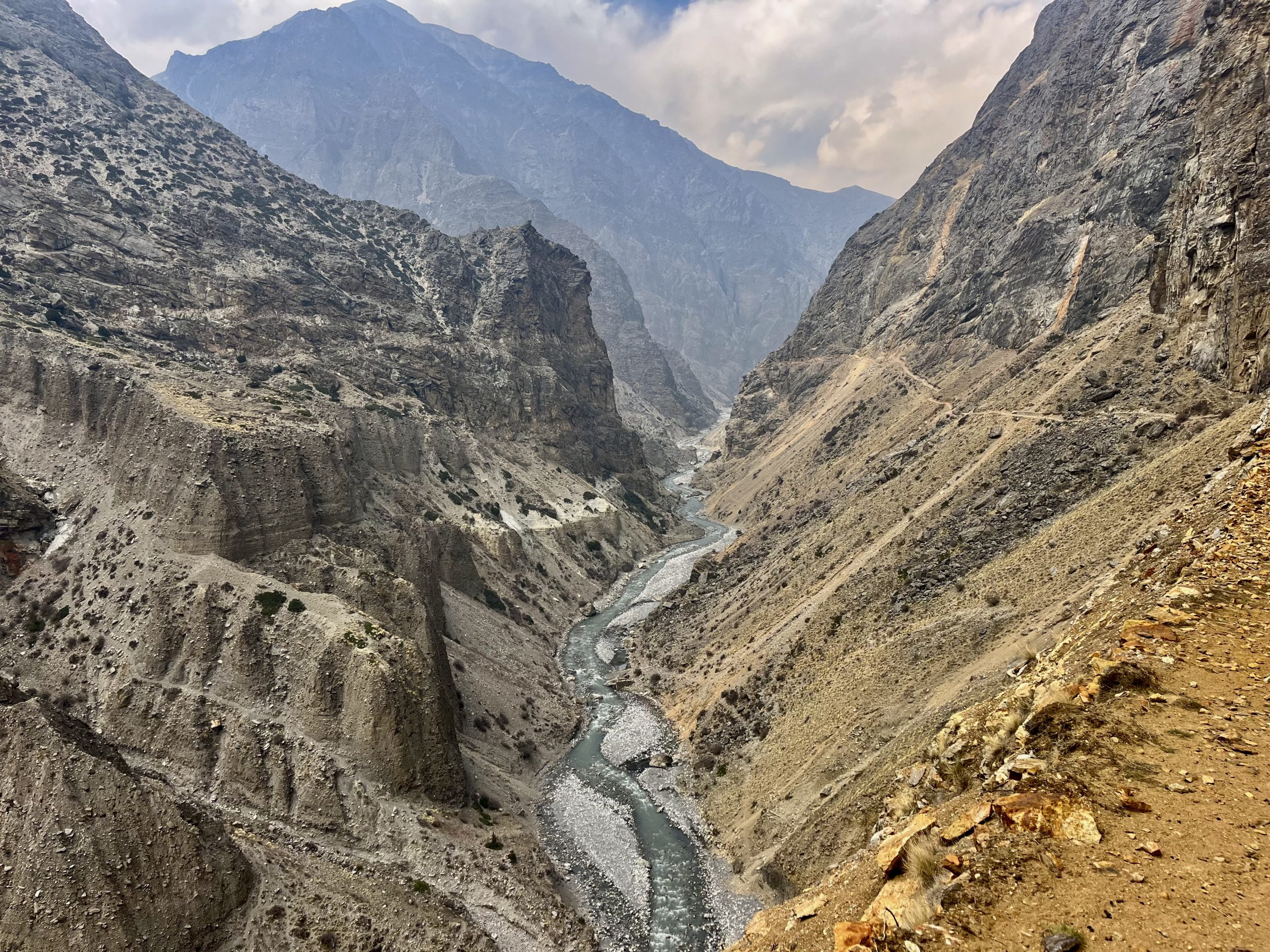
Unfortunately, the high altitude took its toll on one member of the team, who became ill after the second clinic and had to remain at the Satek Gumba Monastery (3,700m), where MedyArte established a permanent clinic in 2019. The rest of the group continued onward to complete the third medical clinic in Phu Village (4100m) before descending back to the monastery.
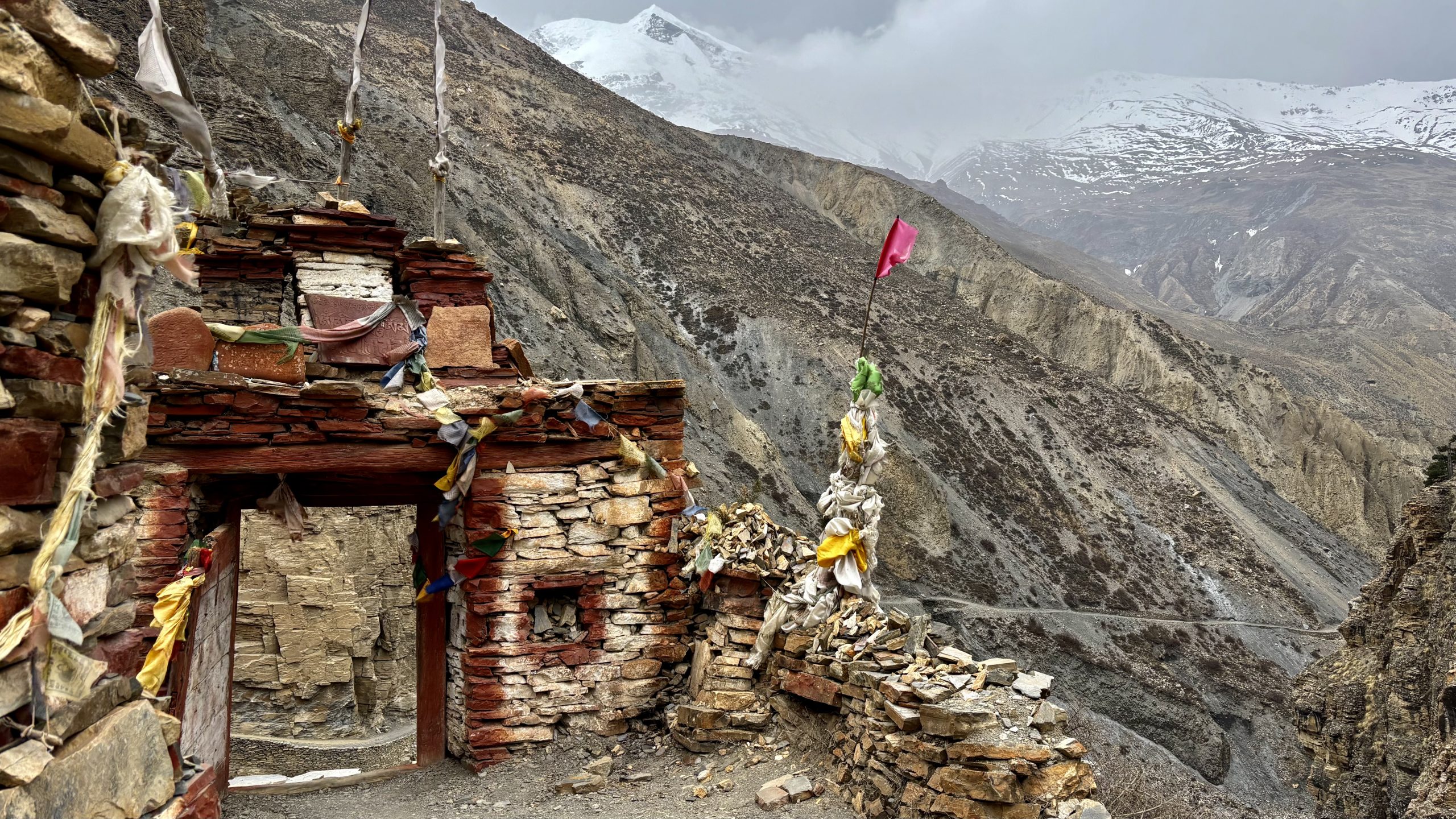
Despite some improvements to basic facilities in the villages in recent years, the healthcare situation in the region remains extremely challenging. Most communities still lack basic sanitation and are at least a three-day walk from the nearest hospital. For many local people, accessing modern healthcare means travelling long distances across rugged and hazardous mountain trails. As a result, many continue to rely heavily on traditional Ayurvedic medicine.
One of the most highly valued traditional remedies in the region is Yarsagumba, an entomopathogenic fungus that grows on insects. For centuries, it has been treasured across the high-altitude plateaus as both a source of economic stability and a medicinal treatment for a variety of ailments, including abdominal pain, fatigue, respiratory diseases such as asthma and tuberculosis, liver and kidney disorders, and as a natural aphrodisiac.
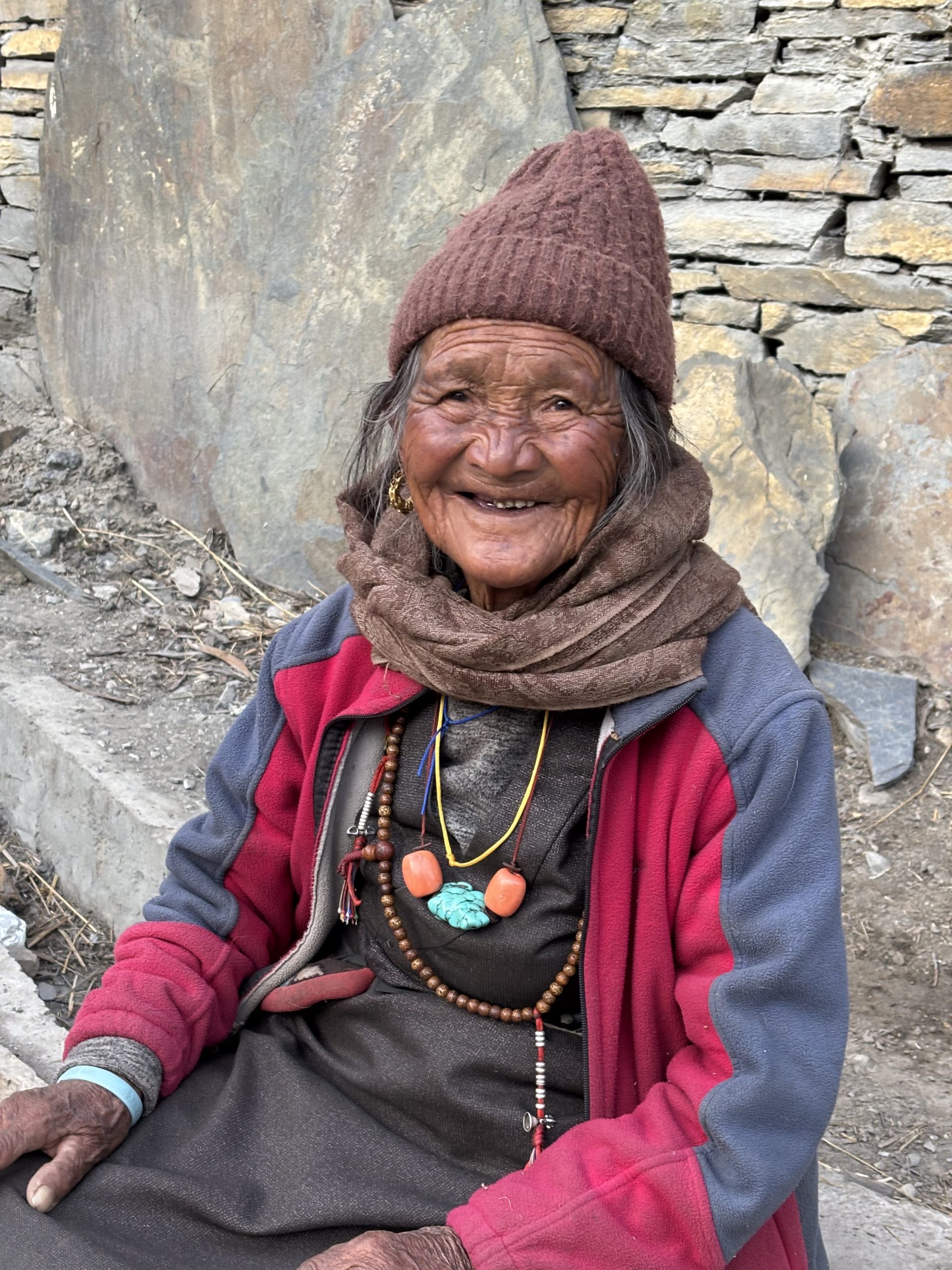
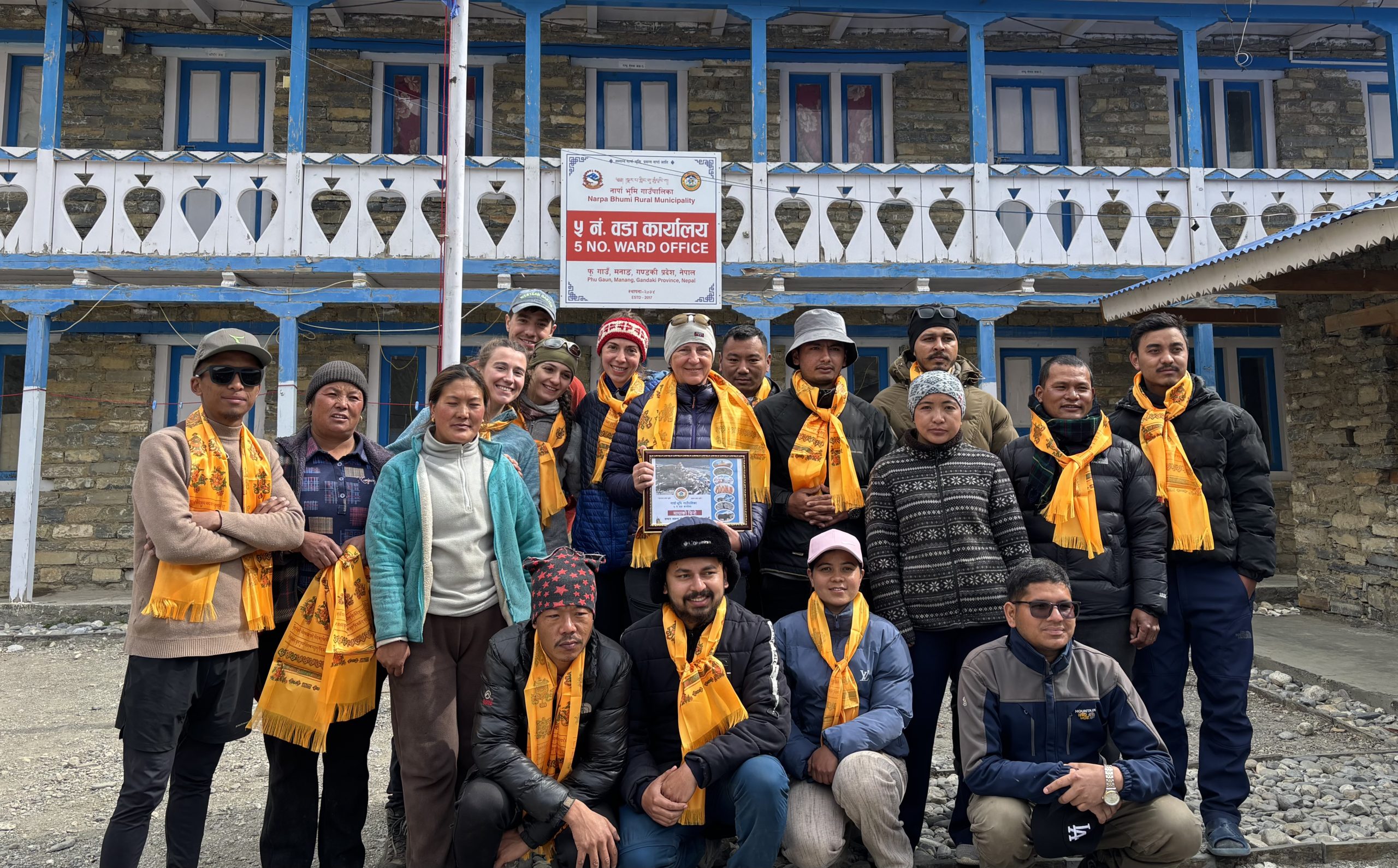
While many local people continue to depend on traditional remedies, mortality rates in the region remain high, and villagers expressed overwhelming gratitude for our work. We were met with smiles, gifts, and countless words of kindness, making the mission all the more rewarding for the team, who poured their heart and soul into every clinic in an effort to help address healthcare inequalities in the region.
This year’s expedition was a powerful reminder of the extraordinary impact that dedicated volunteers can have when working alongside local communities. For everyone involved, the project was both physically demanding and profoundly rewarding. Most importantly, it brought much-needed medical care to hundreds of people who might otherwise have gone without.
To learn more please watch the video